
Canadian Home Sales Start New Year on Ice
The country’s housing market opened 2026 in a slump.
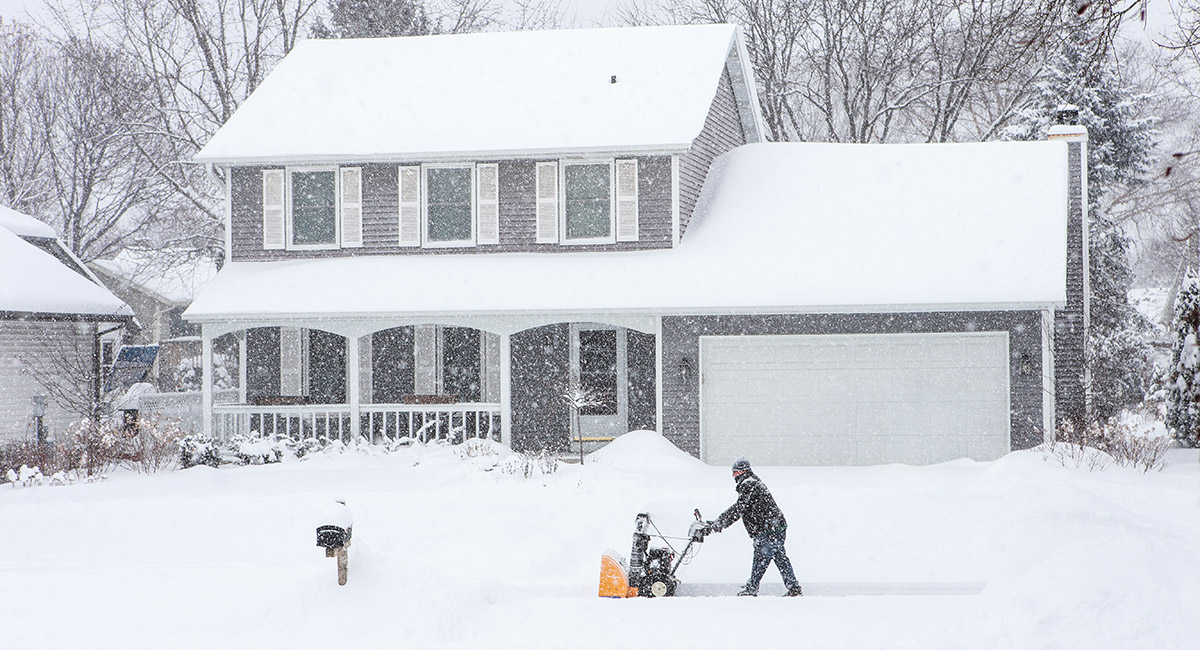
Sales were down 5.8 per cent from December, driven primarily by less activity in the Golden Horseshoe and southern Ontario, which was hit by a massive winter storm.
Shaun Cathcart, senior economist with the Canadian Real Estate Association (CREA), suggests the story is probably more about the historic weather event than a downshift in demand.
“Notwithstanding the chilly start to the year, we continue to expect 2026 will ultimately be defined by pent-up demand from first-time buyers finally seeing a chance to enter the market,” he says.
Similar to what happened in January 2025, new supply jumped on a month-over-month basis in January 2026, rising 7.3 per cent as sellers seemed eager to get the year started.
The burst in new supply was driven by about two-thirds of local markets, and led by Montreal, Quebec City, Calgary, Greater Vancouver and Victoria. Meanwhile, central and southwestern Ontario were far less prominent and, in many cases, recorded declines. This reinforces the view that winter weather was a primary factor in January in those regions, as it appears to have suppressed both demand and supply.
“We always say real estate is local and, on occasion, this can mean the impact of local weather on the market,” says CREA chair Valérie Paquin.
With a rare combination of a sizeable increase in new listings and a sharp slowdown in sales in January, the national sales-to-new listings ratio dropped to 45 per cent, compared to 51.3 per cent in December 2025.
There were 140,680 properties listed for sale at the end of January, up 4.5 per cent from a year earlier but 11.4 per cent below the long-term average for that time of year.
In line with more supply and less demand, the average price of a home dipped 2.6 per cent year-over-year to $652,941.