

The Sales Floor is the Last Mile: Most Retailers are Not Taking Advantage of It
SPONSORED CONTENT
There’s a version of furniture retail that works exactly as it should. A customer walks in uncertain, has a real conversation with someone who knows what they’re talking about and walks out confident. They bought something they’ll love at a price that made sense, with a protection plan they actually understand.
That version doesn’t happen by accident. It happens when the retail sales associate is prepared.
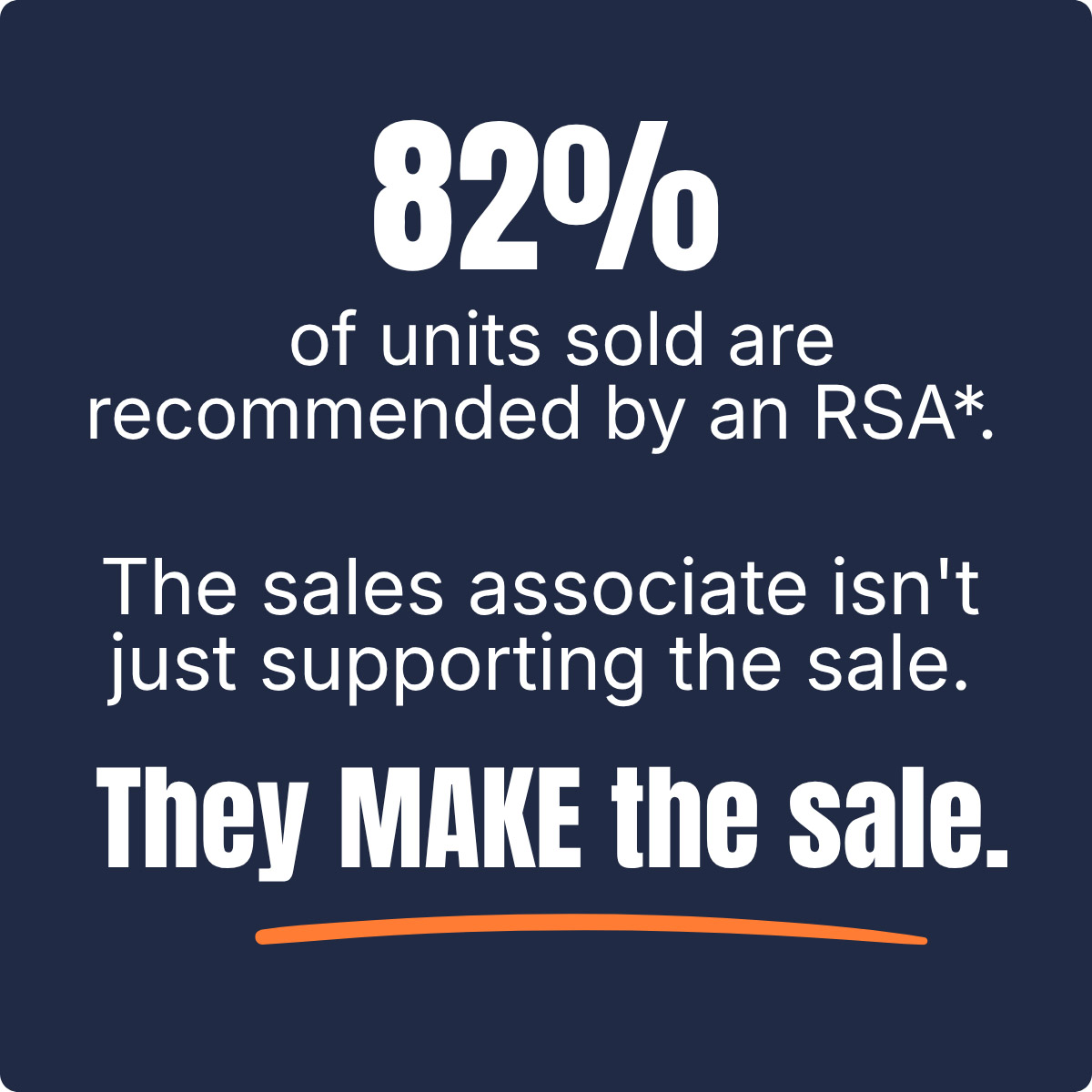
The uncomfortable reality for many home furnishings retailers is that the product is often fine. The merchandising is fine. The pricing is competitive. And the sale still falls apart because the conversation on the floor wasn’t strong enough.
Customers arrive having done their homework. They’ve compared prices, read reviews and visited other stores. They don’t need someone to read them a hang tag. They need someone who can help them think, who can explain why one mattress is worth the premium, how financing makes a better sofa actually accessible, why the protection plan matters for a household with kids and a dog. They need someone who can meet a price objection with confidence instead of a shrug and a discount.
Which is what makes artificial intelligence (AI) genuinely interesting here, not because it replaces that conversation but because it can make the person having it far better prepared.
The tools now exist to give associates on-demand product knowledge, realistic role-play practice and coaching tied to actual performance gaps rather than gut feelings. Brands can connect directly with floor associates through training platforms that link product knowledge to a sales performance incentive fund (SPIFF). Managers can see not just who is having more challenges but specifically why, and address the real issue instead of delivering the same generic feedback for the fourth time.
Protection plan attachment running below target? There’s a coaching path for that.
 Financing conversations feeling awkward and forced? There’s practice for that.
New product launch with a complicated story to tell quickly? There’s a course for that.
None of this is about making retail feel more automated. When an associate knows the product, has worked through the hard objections in practice and has a clear sense of what they’re working toward, the customer conversation gets more human. Not less.
The retailers figuring this out are building something that goes well beyond a training program. They’re connecting learning, practice and incentives into something that actually functions as a performance system on the sales floor.
The full article, The AI-enabled Sales Associate, goes considerably deeper: how AI role-play is being used for specific objections, how brands are structuring SPIFF programs around knowledge verification, what responsible AI implementation looks like and what to avoid, and how retailers are tying coaching activity to measurable floor results.

Bradford “Brad” W. Geddes is President and CEO of Zucora Inc., a company dedicated to helping home furnishings retailers grow more profitable businesses. Brad has worked closely with hundreds of dealers, store managers and sales associates across the furniture, appliance and bedding sectors, gaining deep, practical insight into the realities of highly competitive retail markets. He brings a grounded, real-world perspective to the challenges and opportunities facing today’s home furnishings industry. Brad’s experience and insights have been distilled into 150 practical lessons featured in his forthcoming book, Margin + Plus Method™, scheduled for release in fall 2026.