
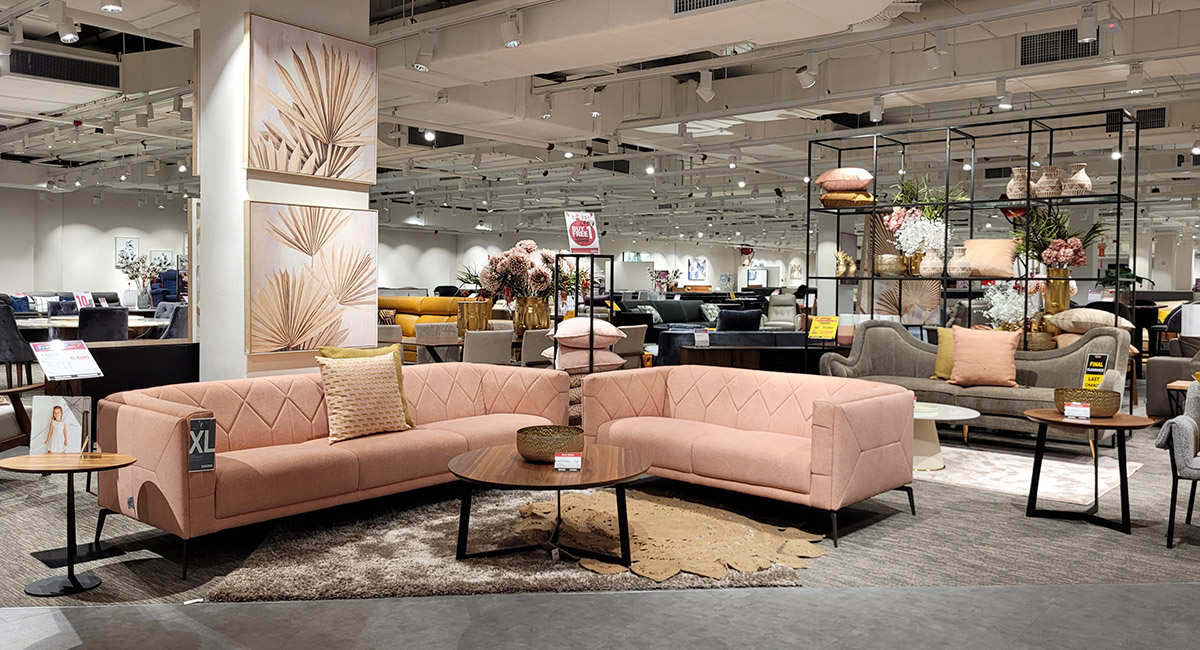
There’s a common misconception about store transformations. Retailers often think they need a complete overhaul or relocation to rejuvenate their business. But this isn’t always the case. A fresh start can be achieved through strategic changes without the need for drastic measures like taking down walls.
Here are six of the most effective ways to update your retail store.
Implement a New POS System
Retailers hate change and so do employees. Yet, change is what is needed most when it comes to point of sale (POS) systems.
How can you make checkout easier? How can you connect your e-commerce platform with your in-store? How much data can you collect and use from your current system?
Customers want speed so retailers should look for progressive tracking and payment options. An advanced POS system enhances the customer experience with faster, more efficient transactions and integrates inventory management for real-time stock updates. Add radio-frequency identification or RFID tags and you’ll easily know what is moving and what isn’t on a daily basis.
Revamp with Display Tables
It doesn’t matter whether you sell furniture, apparel or home goods — styles change and just because you received a free display from a vendor doesn’t mean it belongs on your sales floor. Replace old, worn-out tables with new stylish ones to showcase merchandise.
A series of stepped round tables at various heights works well to stop shoppers and focus their attention on a single item. Long tables that are popular in mass merchants don’t belong in specialty stores except for sale goods.
Utilize creative layouts to attract customer attention and improve flow. These modular designs allow flexibility in displaying different products. Natural, eco-friendly elements like wood are on trend.
And if you have multiple vendor displays in the back, chuck them now and free up the space.
Refresh with Paint
It sounds simple but changing one wall from beige to white can make all the difference. Paint is relatively cheap; a professional crew can usually complete a project within days. Brighten up your store with fresh, appealing colours. Everything has a shelf life and while you don’t need to use the Pantone colour of the year, you can still utilize paint to create a welcoming atmosphere that reflects your brand. While shopping, consider eco-friendly paint options for a sustainable approach.
Improve Lighting
Shoppers are attracted to light. Whether a simple string of coloured lights across the top of an exterior window or a high-tech set of lights shining out from under your awnings, light gets attention. Inside, you can enhance any merchandise’s visibility and your store ambiance with better lighting.
Light up the front third of your store so it commands the most attention from a casual passerby.
Think of much smaller areas of interest that can be highlighted from the ceiling rather than the generic wash from ceiling tiles. Consider the seasonality of different lighting styles to highlight key areas. After all, many stores are dark at 6 p.m. during winter but have plenty of light in summer.
Your local utility provider probably has grants for upgrading old fluorescent lighting to new LED ballasts and fixtures. You should still check with an electrician to see how you can use existing fixtures with energy-efficient LED lights to reduce electricity costs.
Introduce Interactive Technology
Just getting a high-definition television monitor can open a world of creativity through the use of digital displays. You can create a PowerPoint presentation using videos and Canva graphics and make a fairly sophisticated video for little money. If you want to soften the edges of the TV screen, consider getting a simple picture frame, adding latex bands to the back and slipping over the monitor.
If you want to go further, you can offer augmented or virtual reality experiences and interactive kiosks for customer engagement. These can be important go-betweens and help customers decide to buy rather than wander away. Again, you can implement mobile checkout options for shopper convenience as well.
Optimize Store Layout
Many stores inherit where their counters are, sometimes in the middle, sometimes on the left, which is best, and sometimes on the right, which can cause bottlenecks as customers try to pay and leave as other shoppers try to get in and purchase. However, with so many wireless solutions, you don’t need to be wed to where the phone lines and ethernet ports are located.
When you reorganize the store layout, you improve customer flow and product visibility. Closing down on a slow day and moving everything out or around provides an opportunity to create strategic placements to highlight specific items in a new area.
More baby strollers and wheelchairs are being seen in stores, so ensure your layout is accessible and easy to navigate for all customers, too. The recommended width of aisles is a minimum of four feet.
Bob Phibbs, known as the Retail Doctor, is a renowned expert in brick-and-mortar retail. As CEO, he provides international business strategy, customer service expertise, sales coaching and marketing mentorship. An author of three books and motivational speaker, Bob recently expanded his online retail sales training program, SalesRX. This on-demand platform has led 83 per cent of clients to achieve double-digit growth within six months.