
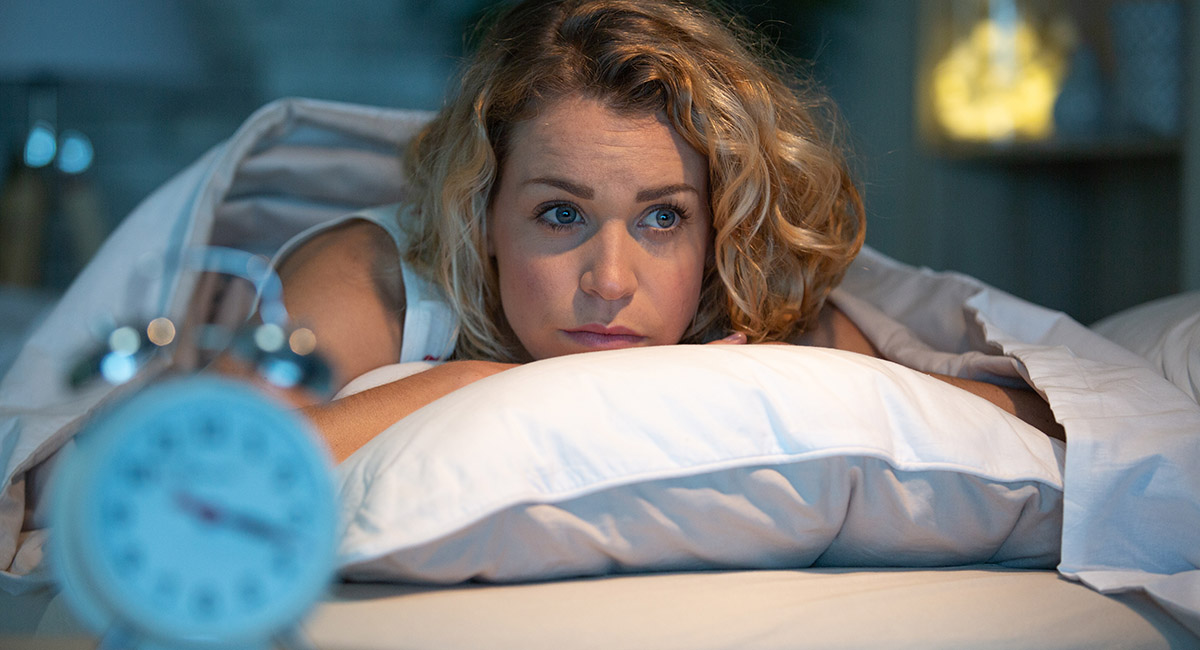
How many sleepless nights have you spent worrying about the next day’s work? How often do you look at the clock the night before a trip, afraid to oversleep and miss your flight? Do you spend more nights counting bills than sheep?
If any of these scenarios sound familiar, rub the sleep out of your eyes and take a closer look at the latest findings from the Better Sleep Council (BSC), which leads consumer research and education for the International Sleep Products Association. The BSC conducted this study of U.S. residents age 18 or older to explore consumers’ views about sleep and stress. The results provide fresh insights into how the sleep products marketplace can create innovations, messaging and branding that resonate with consumers’ mindsets, behaviours and concerns.
Eye-opening Discovery
The BSC’s research revealed a substantial gap between the amount of sleep we think we need and the sleep we actually get. Only one in four adults said they sleep at least eight hours per night. Yet, 43 per cent of adults said they need at least eight hours of sleep to feel well-rested and energized the next day. Just one-third said they frequently wake up this way.
Nearly half of the respondents said their sleep quality in the two weeks prior to the survey was fair (34 per cent) or poor (13 per cent). A measly seven per cent said their sleep quality was excellent. Another 13 per cent rated their sleep quality as very good and 33 per cent as good. In the survey, 33 per cent of the respondents reported feeling stressed very often (six-14 nights), another 28 per cent often (six-nine nights), 27 per cent barely (one-two nights) and 12 per cent never. That’s a lot of shut-eye to miss.
According to the BSC’s research, at least half of adults often or sometimes experience problems falling or staying asleep. Respondents reported they very often had difficulty with waking up or being awakened (34 per cent), staying asleep (30 per cent), falling asleep (27 per cent) or waking up in the morning (34 per cent) six to 14 nights over the two weeks leading up to the survey.
What keeps people awake depends on their age. For most respondents, it’s body aches and pains that come between them and a peaceful sleep. Worrying about relationships, family and money also contribute to many sleepless nights, especially for younger adults age 18-45. Compared with adults 45 and older, younger adults are nearly three times more likely to say stress and worry about their jobs stand between them and a good night’s sleep. Younger adults are also twice as likely to say conditions in their sleep environment, such as noise, light and room temperature, interfere with their sleep. Other factors that contribute to a poor night’s sleep include stress over their health, uncomfortable mattresses, anxiety about the news and snoring partners.
The Stress-Sleep Connection
Once again, age is an essential factor in perceiving and processing stress. One in three adults age 45 and older report experiencing stress often or very often. Younger adults, age 18-45, are likely to report feeling stressed more often than older adults. In the two weeks leading up to the survey, 16 per cent of the respondents reported feeling stressed very often (10-14 nights), another 16 per cent often (six-nine nights), 31 per cent sometimes (three-five nights), 26 per cent rarely (one-two nights) and 10 per cent never.
Stress exerts a powerful influence on our lives, but the good news is it’s not an insurmountable obstacle. There are many activities that can be done daily to eliminate stress and contribute to a better night’s sleep. The top ways adults reduce or relieve stress are listening to music and exercising. Ironically, 39 per cent said getting a good night’s sleep is the best way to relieve stress. Other frequently cited stress-reducing techniques include spending time with friends, reading, participating in outdoor activities, meditating, engaging in artistic and creative activities, and doing yoga.
Talk to the Mattress
Most research studies confine their findings to dry data, facts and figures. But for this survey, the BSC dreamed up an intriguing question to gain a deeper understanding of the ways respondents view their relationship with sleep, stress and their bedding: If your mattress could talk, what would it say about your sleep habits?
Here’s what was gleaned: you don’t spend enough time in bed (23 per cent); you are a deep sleeper (29 per cent); you toss and turn a lot (56 per cent); and none of the above (11 per cent).
Burt Dellinger is associate editor of BedTimes and Sleep Savvy magazines, both International Sleep Products Association publications.