
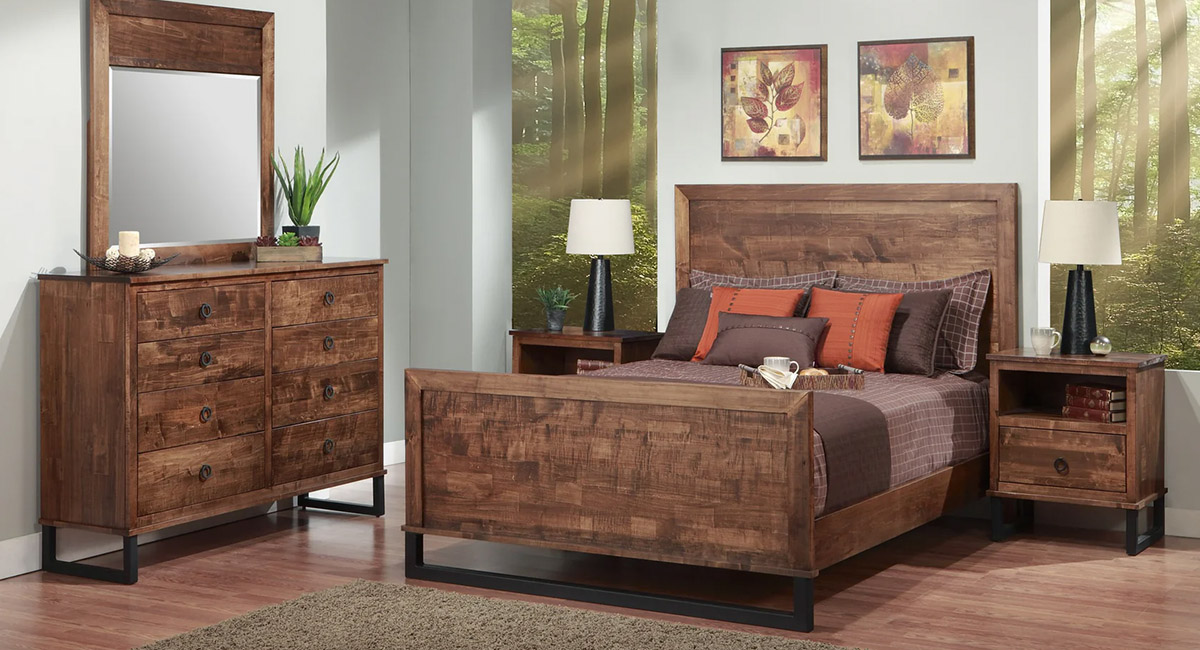
The ‘buy Canadian’ furniture movement continues its ascent amid the ongoing trade war with the United States and threats to our country’s sovereignty. While offering a unique opportunity for companies, the movement is not new, as, in recent years, more and more consumers have come to recognize the benefits of investing in domestic products. With a focus on craftsmanship, sustainability, customization and shopping local, Canadian-made furniture is making its way into homes across the country and reshaping the furniture industry.
The Craftsmanship Advantage
One of the primary drivers of furniture made in Canada is the craftsmanship that defines these pieces. Meticulous attention is given to every step of the furniture-making process, from selecting high-quality materials to executing intricate design elements.
Canadian furniture makers use traditional woodworking methods, such as dovetail joinery and mortise and tenon construction, to ensure the durability and longevity of their pieces.
The skill and care applied to finishing techniques, including sanding, staining and sealing, enhance the natural beauty of the wood and protect the furniture from everyday wear.
Canadian artisans draw inspiration from their surroundings, delivering unique, elegant and functional designs that differentiate their furniture from mass-produced alternatives.
Upholding tradition while embracing innovative design ideas, Canadian furniture makers evolve their artistry to meet the ever-changing demands of contemporary living.
Promoting Sustainability
Furniture made in Canada is celebrated not only for its impeccable craftsmanship but also for its commitment to sustainable and responsible practices, which appeal to environmentally conscious consumers.
Canadian furniture makers often use locally sourced wood from responsibly managed forests, reducing the environmental impact of production while supporting domestic industries.
By sourcing materials and labour within the country, Canadian furniture manufacturers minimize the carbon emissions associated with long distance transportation, contributing to a more sustainable production process.
Furniture makers in Canada routinely opt for water-based finishes and low-volatile organic compound stains, ensuring their products have a reduced environmental impact and that they contribute to improved indoor air quality.
Emphasizing waste reduction, Canadian artisans repurpose offcuts, sawdust and other byproducts from the furniture-making process to heat their workshops or create additional products, decreasing overall waste production.
Endless Customization
Another significant factor contributing to the popularity of furniture made in Canada is the extensive customization possibilities.
Canadian furniture makers often provide made-to-order services, enabling clients to design bespoke pieces that fit their vision and integrate seamlessly into their existing decor.
Clients are afforded a wide range of wood species, finishes and upholstery options, allowing for greater flexibility in personalizing their furniture selections.
Canada’s skilled artisans can adapt existing designs or create entirely new pieces to accommodate clients’ individual needs and preferences, overcoming potential design challenges along the way.
Unlike mass-produced furniture retailers, Canadian furniture makers foster long-term relationships with their clients, offering support, maintenance and advice throughout the lifespan of their furniture.
Economic Impact
The growing demand for Canadian-made furniture has far-reaching implications for the local economy, as purchasing these pieces directly benefits artisans, associated industries and community development.
By supporting domestic furniture production, Canada reduces its reliance on imported products, fostering a self-sufficient economy built on local talent and resources.
The thriving demand for furniture made in Canada generates employment opportunities for skilled artisans, materials suppliers and local businesses within the furnishing sector.
Choosing Canadian-made products contributes to regional economic growth, which, in turn, leads to improved infrastructure, education and healthcare services.
As the demand for Canadian furniture rises, it encourages further innovation and development within the industry, ensuring the ongoing improvement of products, technologies and practices.
Building a Lasting Legacy
Canadian-made furniture has a timeless allure, boasting designs and quality that transcend generations and create lasting family heirlooms.
Canadian artisans focus on creating pieces with classic yet versatile designs that remain relevant as trends change, maintaining their value and aesthetic appeal across decades.
The use of high-quality materials, expert techniques and meticulous craftsmanship ensures Canadian-made furniture’s longevity, making it a worthwhile investment for homeowners seeking enduring pieces.
As Canadian-made furniture often lasts for generations, it becomes an integral part of family history and memories, fostering emotional connections across generations.
Owning furniture made in Canada instils a sense of pride in one’s cultural heritage and the talented artisans that contribute to shaping national identity through their craft.
Sunny Purba is owner and general manager of Prestige Solid Wood Furniture. Operating since 1991, Prestige has showrooms in Coquitlam and Maple Ridge, British Columbia. The company specializes in Canadian-made solid wood furniture with a variety of customization options.